



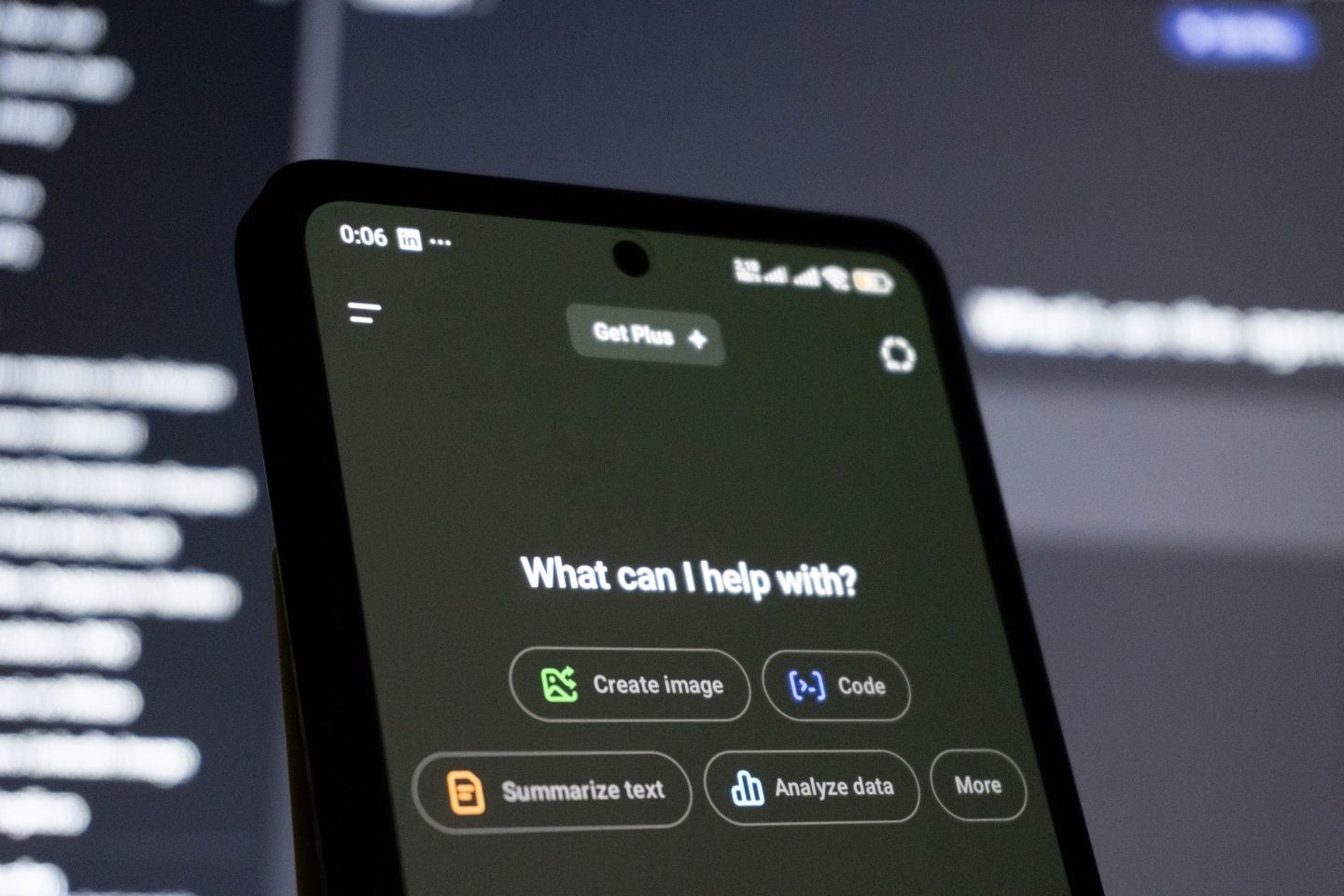
Samsung Electronics is expanding employee access to ChatGPT Enterprise and Codex, allowing employees to broadly use AI tools for technical and non-technical tasks.
According to OpenAI, the rollout targets all Samsung Electronics employees in South Korea and all Device eXperience employees worldwide. The DX sector includes smartphones, home appliances, and home appliances.
Samsung plans to use the tool in software development, marketing, product development, manufacturing, and other business functions. These tools support tasks such as information retrieval, documentation, idea development, data interpretation, and code-related work.
Samsung reconsiders use of AI for employees
The rollout comes three years after Samsung restricted the use of generative AI tools by its employees, citing data security concerns. The company restricted the use of ChatGPT and similar tools in 2023 following concerns that sensitive internal information was uploaded to external AI platforms.
The new deployment gives employees access to ChatGPT Enterprise, which includes controls for data protection, user access, and security management. OpenAI says the enterprise version will allow organizations to manage users, enforce access controls, and use AI tools within internal security requirements.
Samsung’s previous restrictions applied to employees’ use of ChatGPT and similar generative AI tools. The new deployment gives employees access through enterprise products with data protection and access controls.
Samsung has not limited its expansion to a single business unit or technology group. OpenAI says these tools will be used by a wide range of departments, including technical and non-technical teams.
OpenAI said ChatGPT can support knowledge-based tasks such as searching for information, analyzing materials, drafting documents, developing ideas, and interpreting data.
Codex for technical and non-technical work
Codex is used for software-related tasks such as writing, reviewing, and debugging code. OpenAI says the tool is also used in internal tools, websites, software prototypes, and automated workflows.
OpenAI said Codex can also support the day-to-day tasks of non-technical teams, such as helping employees create internal tools and automated workflows.
OpenAI says Codex currently has more than 5 million weekly users across technical and non-technical workflows. In South Korea, the number of weekly active users of Codex has increased by nearly 800% since February 1, 2026, the company said.
Harrison Kim, general manager of OpenAI Korea, said the deal is one of OpenAI’s largest enterprise deployments. He said Samsung is leveraging AI across teams and departments, rather than limiting it to specific departments.
Samsung and OpenAI infrastructure link
In October 2025, Samsung announced that it would work with OpenAI as a strategic memory partner for its Stargate AI infrastructure initiative, with OpenAI’s memory demand expected to reach up to 900,000 DRAM wafers per month.
Samsung SDS has also entered into a potential partnership with OpenAI to co-develop an AI data center and provide enterprise AI services. Samsung said the agreement will enable Samsung SDS to provide consulting, deployment and management services for companies integrating OpenAI models into their internal systems.
Samsung SDS also signed a reseller partnership agreement to provide OpenAI services in South Korea. Under the deal, Samsung SDS said it will support Korean companies deploying ChatGPT Enterprise and other OpenAI services.
Reuters reported that Samsung Electronics and SK Hynix have signed a letter of intent to supply memory chips to OpenAI’s Stargate project. According to the report, the two South Korean chipmakers together account for about 70% of the global DRAM market and about 80% of the high-bandwidth memory market.
High-bandwidth memory supports high-speed data movement between memory and processors in AI systems. Reuters reported, citing South Korea’s presidential office, that demand for OpenAI’s Stargate chips could reach 900,000 wafers per month.
Samsung said its semiconductor business will support OpenAI demand with advanced memory solutions. The company also said its affiliates are exploring broader collaboration with OpenAI in areas such as data centers, enterprise services and AI infrastructure.
AI implementation and productivity
Deloitte’s 2026 State of AI in the Enterprise report found that 66% of organizations report increased productivity or efficiency with enterprise AI implementation. The same report found that 53% reported improved insight and decision-making.
According to a Bpifrance survey reported by Reuters, 77% of France’s top 534 mid-sized companies said they were using generative AI, but only 17% of them reported time savings.
Samsung has identified use cases spanning document processing, information analysis, coding, product development, marketing, and manufacturing. With this deployment, employees will have access to ChatGPT Enterprise and Codex for these tasks under a company-wide agreement.
OpenAI’s Korean partnership
OpenAI also announced other partnerships in South Korea. Seoul National University recently launched ChatGPT Edu to 47,000 students, faculty, and staff.
OpenAI also worked with Kakao to bring ChatGPT responses into KakaoTalk group chats. The company said that Korean organizations such as LG Electronics, LG Uplus, LG CNS, GS E&C, Samsung SDS, TVING, Krafton, Toss, MUSINSA, Korea Zinc, Nexen Tire, and hanaTour are using ChatGPT Enterprise, OpenAI API, or Codex.
(Photo courtesy of Zulfgar Karimov)
See: Omio uses OpenAI models to scale travel product development
Want to learn more about AI and big data from industry leaders? Check out the AI & Big Data Expos in Amsterdam, California, and London. This comprehensive event is part of TechEx and co-located with other major technology events. Click here for more information.
AI News is brought to you by TechForge Media. Learn about other upcoming enterprise technology events and webinars.

