



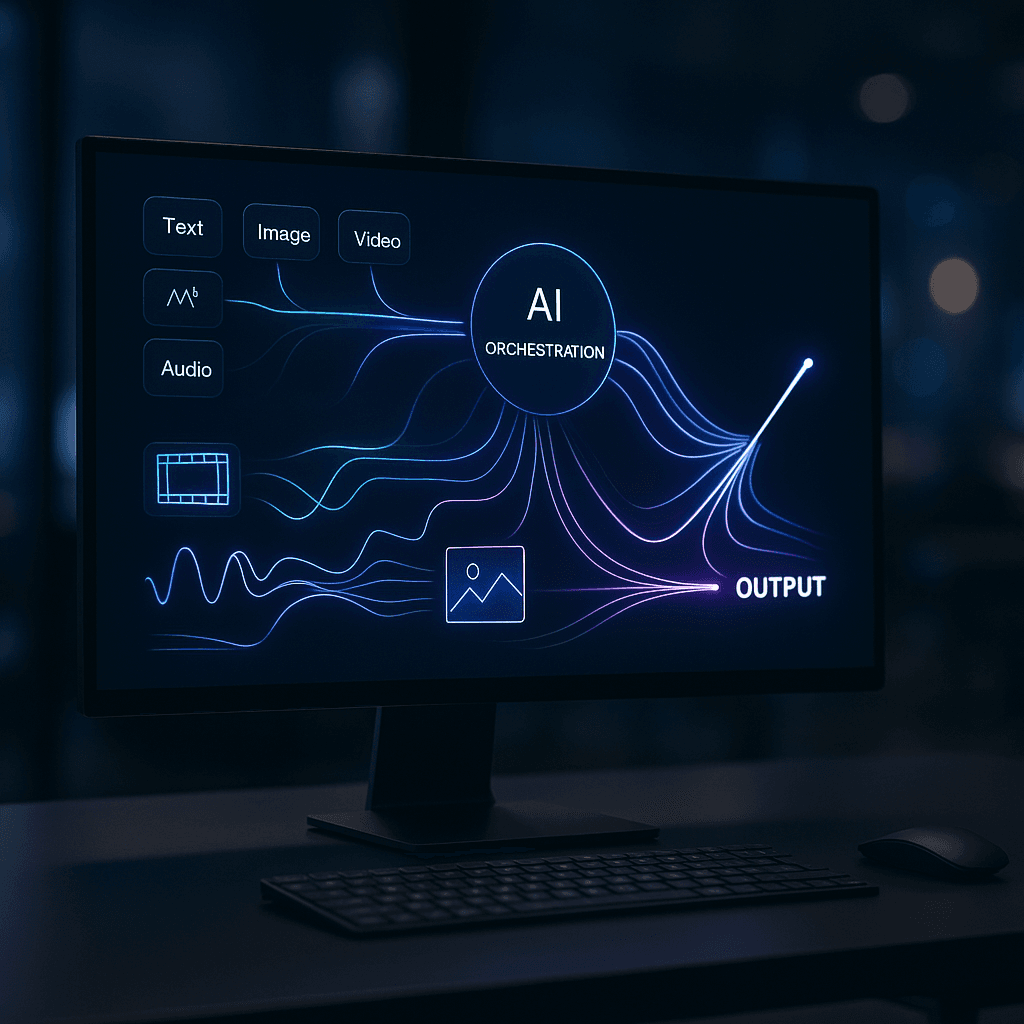
Luma just made a big splash in the AI agent race. The company revealed Luma Agents exclusively to TechCrunch. It’s a new platform powered by what the company calls an “unified intelligence” model that can coordinate multiple AI systems to generate complete creative projects across text, images, video and audio. This is a huge leap from a single-purpose AI tool to an autonomous system that handles end-to-end creative workflows, and it positions Luma squarely against the likes of OpenAI and Anthropic in the burgeoning agent AI market.
Luma is making its boldest move yet. The AI video startup has released Luma Agents, a platform that not only generates content but actually coordinates various AI systems to produce complete creative works. According to an exclusive report from TechCrunch, these agents will work on Luma’s newly developed “Unified Intelligence” model to coordinate the production of text, images, video, and audio.
This is more than just a feature update. Luma is betting that the future of AI lies not in improving individual models, but in smarter coordination between them. While previous tools required users to jump back and forth between different platforms for scripting, design, video editing, and sound, Luma Agents promises to handle the entire pipeline autonomously. When you give them a creative brief, they know how to deploy the right AI systems in the right order to deliver the final product.
The timing couldn’t be more strategic. AI agents have become the hottest battleground in artificial intelligence, with companies racing to build systems that can go beyond answering questions and actually perform complex tasks. OpenAI is pushing its own agent capabilities, and Anthropic recently showed off Claude’s ability to control computers. And now, Luma is carving out a niche for creative production with multimodal coordination.
What makes Luma’s approach interesting is its emphasis on “unified intelligence” as a distinct architectural philosophy. Rather than training one large model to do everything, Luma appears to be building a specialized orchestration layer that knows when to call on different expert systems. This is similar to having a creative director who knows exactly which specialists to bring in for each phase of a project, but the director and all specialists are AI.

