



Payments rely on a simple model. In other words, a person decides to buy something and a bank or card network processes the transaction. That model is starting to change as Visa tests how AI agents can initiate payments. New initiatives in the banking sector suggest that software agents may soon take on that role in some cases.
A recent example is Visa. Visa is rolling out its “Agentic Ready” program in Europe to test how financial systems handle transactions initiated by AI. This initiative includes cooperation with banks such as Commerzbank and DZ Bank. The goal is to prepare existing payment infrastructure for a scenario where software agents can search for products, make decisions, and complete purchases on behalf of users.
According to information published by Visa and reported by The Paypers, the program focuses on enabling secure transactions where AI systems act as initiators. Instead of a customer confirming a purchase, an AI agent can perform a task after being given a goal or set of rules.
How to start trading
Payment systems are built on human identity and intent. Today’s card transactions rely on verifying that the person has authorized the purchase. As AI agents start transacting, banks will need new ways to verify identity and intent at a system level. This includes determining how the agent will prove that it is acting on the user’s behalf and how much autonomy the agent should have.
Visa’s model allows software agents to process routine and repeat purchases with limited human input, based on user-defined rules. For example, the system can monitor supply levels, compare prices, and complete transactions if certain conditions are met. Die Welt and Investing.com report that the company sees this as similar in scale to earlier changes to online payments, where banks had to adapt to new types of transaction flows.
Management and compliance
Banks participating in early trials are testing how these ideas work in practice. Commerzbank and DZ Bank are exploring ways to integrate AI agents into existing systems without violating compliance rules. This includes checks related to fraud, audit trails, and customer consent. These areas are highly regulated, so any changes to how transactions are initiated must still meet monitoring standards.
RepRisk’s report found that banks are already dealing with more frequent and costly issues related to AI. The report states that such incidents can lead to millions of dollars in losses.
Visa’s efforts are focused on infrastructure rather than consumer tools. It addresses how payment networks should behave when the “customer” is software. This includes defining how agents authenticate and how transactions are approved. It also explains how to handle disputes if something goes wrong.
AI and corporate purchasing
In large organizations, procurement often involves multiple approval steps. AI agents can compress that process by handling routine purchases within set limits. While this may reduce manual work, it also means that companies need clear rules about what agents are allowed to do. Otherwise, the risk of mistakes and misuse increases.
Large organizations are investing in AI to automate back-office operations and reduce costs. Some are reorganizing their teams to focus more on data and AI strategies. Regulators are paying close attention to how AI is used for decision-making, particularly in areas such as credit reporting and fraud detection.
Taken together, these developments suggest that payments could be one of the first areas where AI agents can act with greater autonomy. Banks must continue to set rules, monitor activity, and handle exceptions. However, the everyday act of initiating a transaction may not require much direct human input.
Visa’s current phase is focused on testing and system design. As AI systems take on more responsibilities, financial infrastructure will need to adapt to a new type of user: one who can shop without having to have a card.
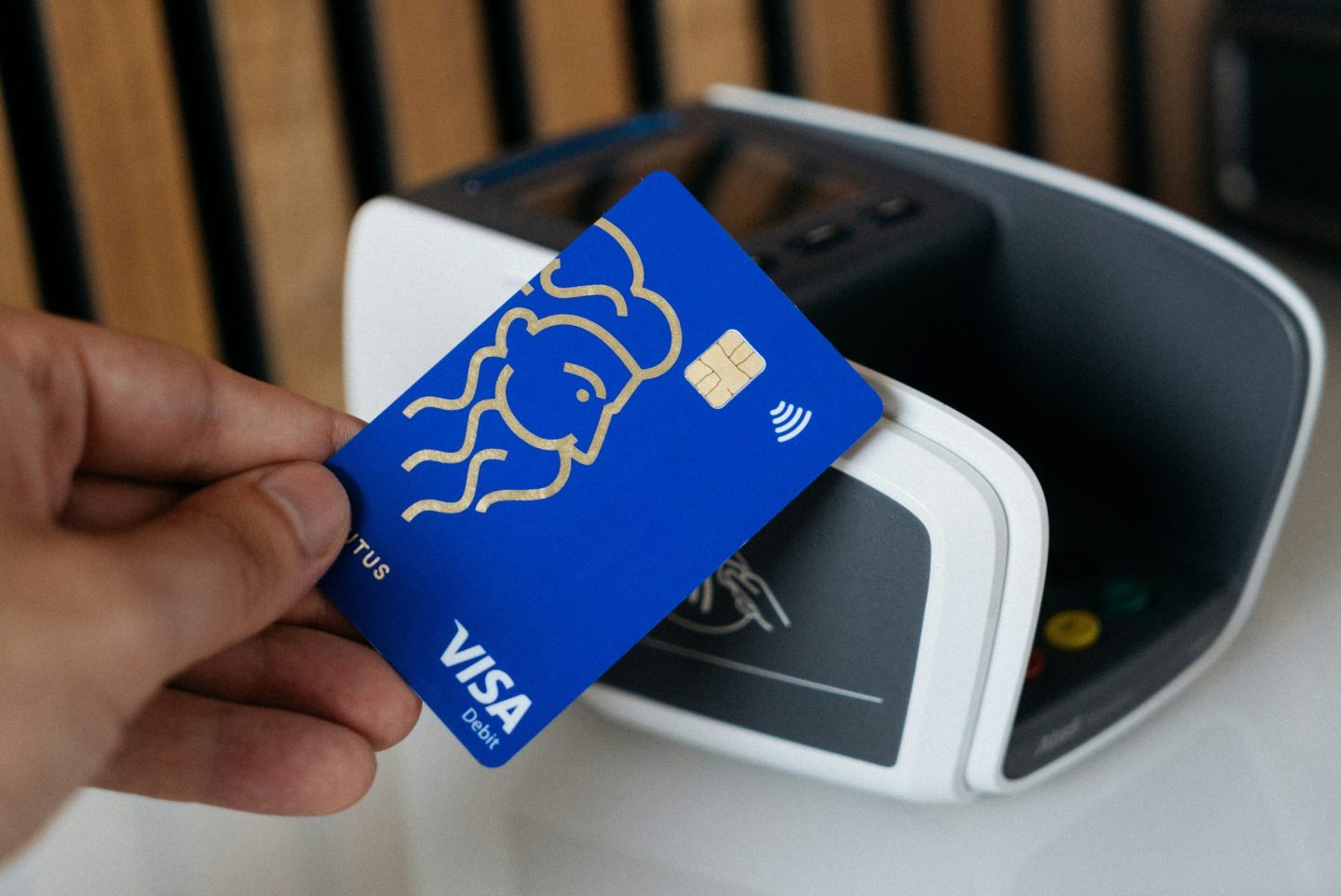
(Photo courtesy of CardMapr.nl)
SEE ALSO: Goldman Sachs sees AI investments turning into data centers
Want to learn more about AI and big data from industry leaders? Check out the AI & Big Data Expos in Amsterdam, California, and London. This comprehensive event is part of TechEx and co-located with other major technology events. Click here for more information.
AI News is brought to you by TechForge Media. Learn about other upcoming enterprise technology events and webinars.

