



US President Donald Trump may reportedly sign an executive order limiting states’ ability to regulate artificial intelligence.
President Trump could sign the order as early as Friday, officials said. said Politico today.
In recent months, California and Oregon passed AI laws that require model developers to disclose risk mitigation plans and other measures. An executive order the White House is reportedly preparing could limit these regulatory efforts. The six-page directive, which has reportedly not yet been finalized, is titled “Eliminate state law interference with national AI policy.”
The order would direct the U.S. Attorney General to establish an AI litigation task force within 30 days. Its members will be responsible for challenging state laws deemed unfavorable to AI developers. The draft order specifies that regulations must be challenged on the basis that they “unconstitutionally regulate interstate commerce, preempt existing federal regulations, or are unlawful in the judgment of the Attorney General.”
The task force’s activities are expected to receive support from the US Department of Commerce. According to The Verge, the department will have 90 days to identify state-level AI regulations that are inconsistent with the White House’s policy goals. The task force will use these findings to inform its litigation efforts.
The Department of Commerce’s role in regulatory efforts will extend to other areas as well. Specifically, the draft order specifies that the department should withhold certain federal grants from states whose AI laws are deemed unfavorable. The grant in question is part of the Broadband Equity, Access, and Deployment Program, which aims to support the development of internet infrastructure.
The Federal Trade Commission and Federal Communications Commission will also support regulatory efforts. The FTC will be tasked with identifying state-level AI laws that could be preempted by federal bans on “unfair and deceptive practices.” The FCC will next consider implementing “federal reporting and disclosure standards for AI models that pre-empt conflicting state laws.”
The White House is also seeking to advance this effort with new federal AI legislation. Earlier this year, the Senate I voted They voted 99-1 against a moratorium that would have prohibited states from passing new AI laws for 10 years.
Across the pond, the European Union also launched efforts this week to loosen AI regulations. Officials are proposed Delays in implementing new rules focused on high-risk AI systems. Additionally, the EU plans to make training data more accessible to AI companies.
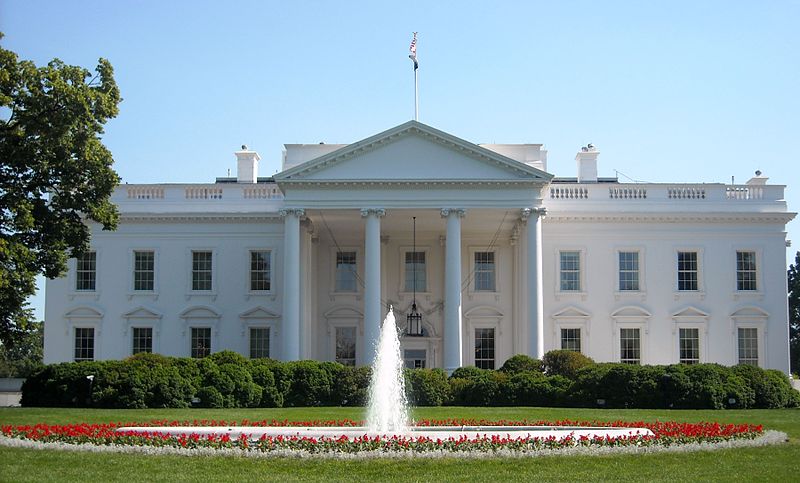
Photo: Wikimedia Commons
Support our mission of keeping content open and free by joining the theCUBE community. Join theCUBE’s Alumni Trust Network, where technology leaders connect, share intelligence, and create opportunities.
15M+ viewers of theCUBE videos power conversations across AI, cloud, cybersecurity, and more 11.4M+ theCUBE alumni — connect with 11,400+ technology and business leaders who are shaping the future through a trusted, unique network.
About SiliconANGLE Media
Founded by technology visionaries John Furrier and Dave Vellante, SiliconANGLE Media has built a dynamic ecosystem of industry-leading digital media brands that reach more than 15 million elite technology professionals. Our new, proprietary theCUBE AI Video Cloud leverages theCUBEai.com neural networks to deliver breakthrough advances in audience interaction, helping technology companies make data-driven decisions and stay at the forefront of industry conversations.

