


It counts every second when a disaster such as a hurricane, wildfire, or earthquake occurs. Emergency teams need to find people quickly, send help, and stay organized. In today’s world, one of the fastest ways to get information is to use social media.
In recent years, researchers have explored ways that artificial intelligence can help with social media in emergencies. These programs can scan millions of posts on sites such as X, Facebook, Instagram and more. However, most existing systems are looking for simple patterns such as keywords and damage images.
My research as an AI scientist has developed a new model that advances further. They can understand the meaning and context of the post, which is what researchers call semantics. This helps the system identify people in need and improve the way situational awareness information is categorized in emergencies. The results show that these tools can give rescuers a clearer perspective on what is happening on the ground and where they are most needed.
From posts to lifesaving insights
People share billions of posts on social media every day. During disasters, they often share photos, videos, short messages, and even locations. This creates a huge network of real-time information.
https://www.youtube.com/watch?v=0Q0EFZNRT7Q
But there are so many posts that it’s hard for people to find what’s important right away. That’s where artificial intelligence comes in handy. Using machine learning, these systems can scan thousands of posts every second, find urgent messages, deal spot damage that appears on photos, and convey real information from rumors.
During Hurricane Sandy in 2012, people sent over 20 million tweets over six days. If AI tools were used, they might have helped them find people at risk faster.
Training AIS
Researchers begin by teaching AI programs to understand emergencies. In one study I conducted, I saw thousands of social media posts from disasters. I categorized them into groups like people seeking help, damaged buildings, general comments. We then used these examples to train the program and sort new posts by themselves.
One major step forward was teaching programs to view photos and words together. For example, photos of flooded streets and messages like “We’re trapped” are stronger signals than either alone. Using both, the system has become much better at showing people where they need help and how serious the damage is.
Finding information is just the first step. The main goal is to help emergency teams act quickly and save lives.
I’m working with the US emergency response team to add this technology to their systems. When a disaster occurs, my program can use social media posts to show where you need help. It can also classify this information as urgently and help rescue teams use their resources where they need it most.
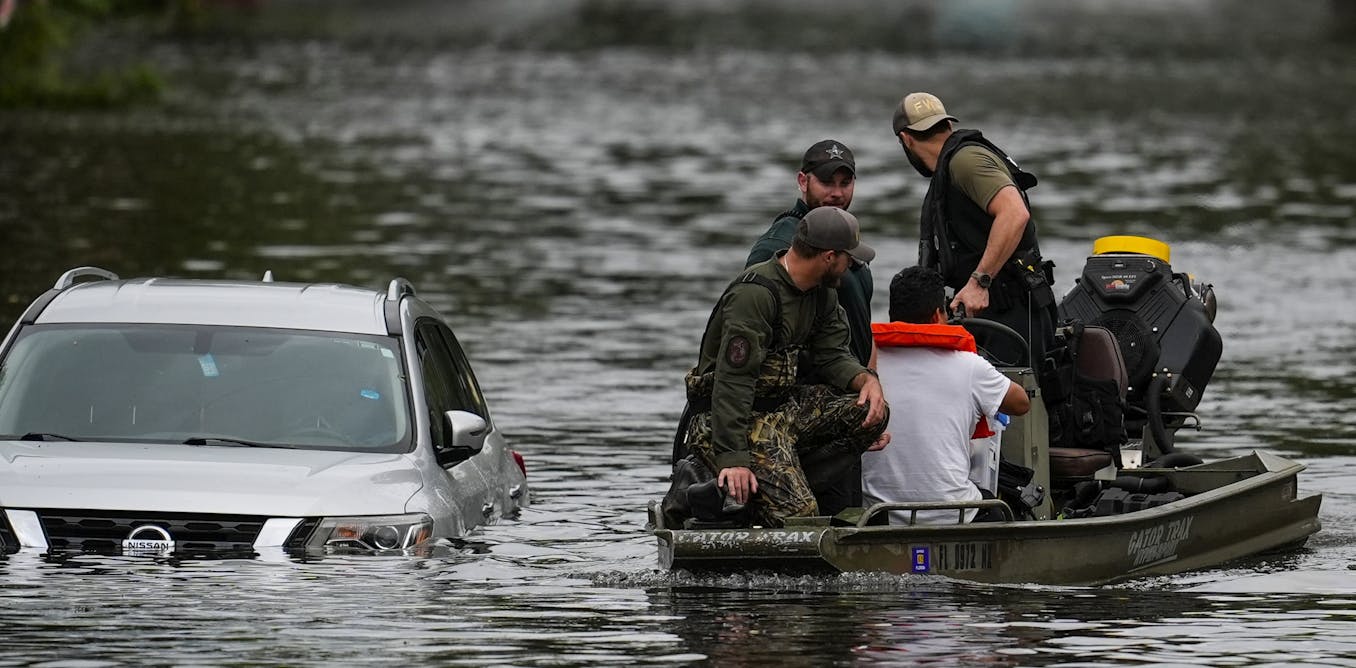
For example, during floods, my system can quickly find places where people are seeking help, and urgency can rank these areas. This will help rescue teams act faster and send aid where they need it most, even before official reports come in.
John Cherry/Getty Images
Addressing the challenge
Using social media during disasters will help you, but that’s not always easy. Sometimes people post things that are not true. They also don’t clearly state where the same message is posted multiple times or where the issue lies. This mix can make it difficult for the system to know what’s actually happening.
To fix this, I’m working on how to check the reliability of the post. I see who posted it, what words they used, and whether other posts say the same thing.
I also take privacy seriously. I only use posts that anyone can see and do not display names or personal details. Instead, I look at the big picture to find the pattern.
The future of disaster information
As AI systems improve, they could be even more useful during disasters. New tools can help you understand the message more clearly and may help you see where the trouble is coming before it starts.
As extreme weather conditions worsen, authorities need quick ways to get good information. When used correctly, social media can show people where they need them the most. It helps save lives and make supplies faster in the right place.
In the future, I think this will become a regular job in emergencies around the world. My research is still growing, but one thing is clear. Disaster response is no longer about people on the ground, but also about AI systems in the cloud.

