


AI in APAC’s retail sector is moving from analytics and pilots to workflows and daily operations.
Urban store density, high worker turnover, and a competitive quick-commerce ecosystem are driving adoption. A Q4 2025 study by GlobalData found that 45% of consumers in Asia and Australia are very or very likely to purchase a product based on an AI recommendation or recommendation.
Jaya Dandy, Consumer Analyst at GlobalData, said: “Whether shoppers realize it or not, machine learning systems have long determined when consumers are prompted to make a purchase, what products they can see, and what discounts are available.
“Agent systems can now also complete shopping-related tasks end-to-end.”
Computer vision and store automation
Companies evaluating computer vision and machine learning can observe early implementations in the region.
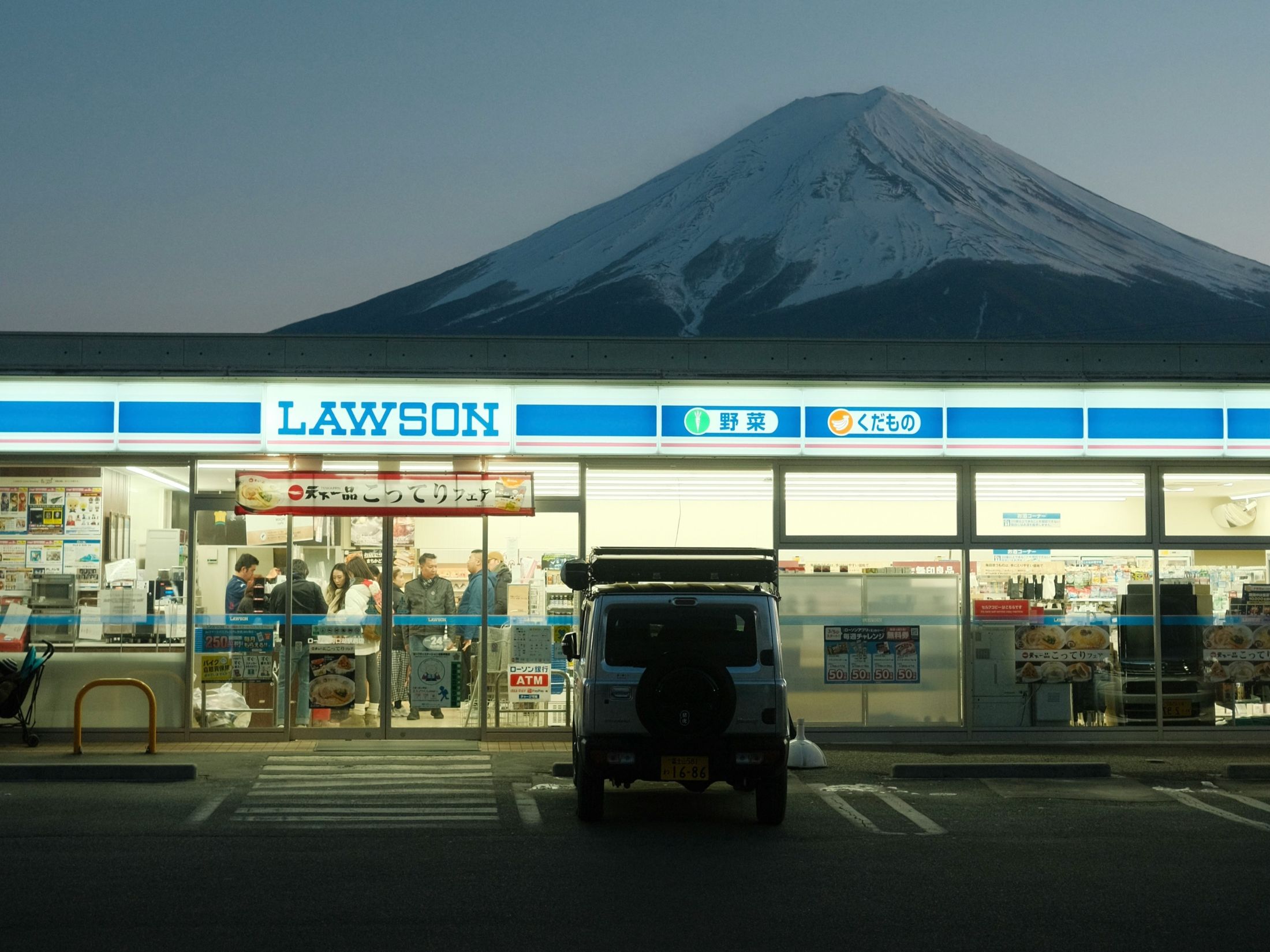
For example, Lawson introduced AI-enabled “Lawson Go” stores in Japan in 2022. In 2025, the company collaborated with technology provider CloudPick to integrate AI, machine learning, and computer vision. This integration improves the customer experience by eliminating checkout lines and cash registers.
In South Korea, retail AI company Fainders.AI launched compact, cashier-less MicroStore inside gyms in 2024. This introduction has increased the accessibility of autonomous retail across a variety of industries.
AI can also help predict and automate replenishment in retail stores. This feature is suitable for Asia-Pacific markets with small store footprints and frequent replenishment.
Coop Sapporo, a Japanese food retail chain, uses a camera-based AI system called Soracam developed by Soracom. This system helps chains avoid overstocking and reduce unsold items in stores. Coop Sapporo employs an analysis team that evaluates the images generated. The team determines optimal shelf display ratios. The Sora-cam system also alerts staff to place discount labels on food with expiration dates to prevent waste.
AI models track waste and markdown timing while improving promotion efficiency. In the price-sensitive Southeast Asia (SEA) market, small improvements in promotional efficiency can improve profit margins.
AI-powered labor optimization measures include scheduling, task priority lists, workload balancing, and more. These measures will support Japanese and Korean retailers facing structural labor shortages. It also brings efficiency benefits to the high-growth Southeast Asian market.
Retail agent AI systems improve interactions with APAC consumers
“In the food retail industry, agent AI is best understood as an AI ‘operator’ that can understand goals, plan steps, stay within budget and allergen constraints, take actions throughout the system, ask clear questions, and learn preferences over time,” Dandey says.
By outlining the overall intent, customers can avoid searching for individual items. For example, a customer might ask an AI agent to “plan 5 dinners for a family of 4, mostly Asian recipes, no shellfish, in 45 minutes or less.” The agent then generates the recipe, creates a shopping cart, determines the quantity, and adds the missing staples to the cart.
This retail agent AI feature aligns with local behavior, as many households in Asia Pacific cook frequently and buy fresh. An AI agent that recognizes local cuisine, such as Korean banchan, Japanese bento boxes, and Indian spice-based dishes, can better adapt to local customs than a typical Western meal plan.
“In many APAC markets, shopping is already deeply integrated with digital wallets, messaging apps, ride-hailing and delivery ecosystems, making it easy to incorporate agent AI into daily operations,” Dandey explains.
“Nonetheless, several key challenges need to be overcome: securing consent for private data sharing, minimizing illusions about allergens and ingredients, and implementing proper localization of the system with linguistic nuances.”
SEE ALSO: DBS pilots system that lets AI agents take customer payments
Want to learn more about AI and big data from industry leaders? Check out the AI
AI News is brought to you by TechForge Media. Learn about other upcoming enterprise technology events and webinars.


