



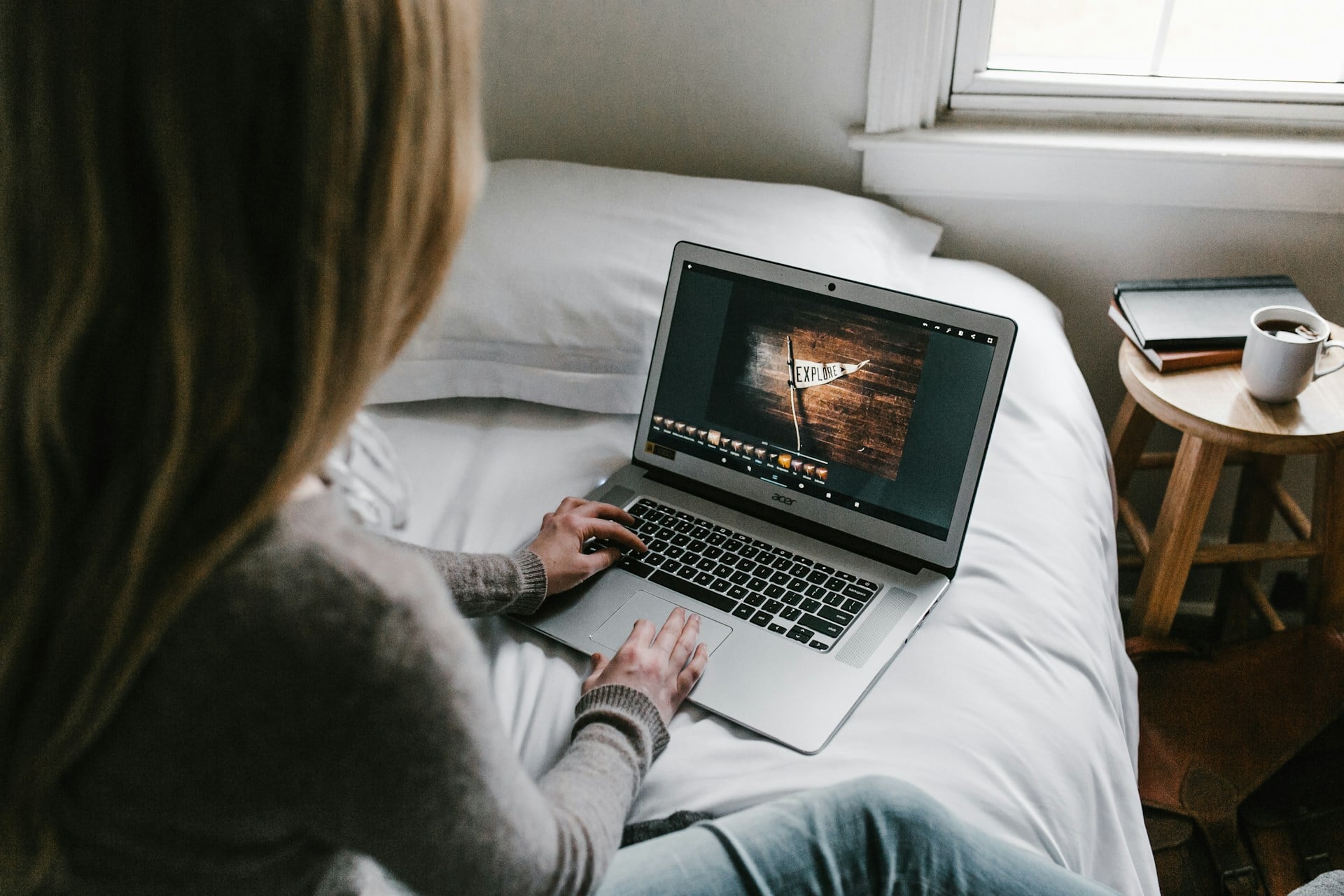
The digital imaging landscape is undergoing fundamental changes. What once required hours of manual editing in professional software can now be done in seconds with artificial intelligence. This change is not just a technological upgrade, but a new era in the way humans interact with visual media.

Evolution of image generation using AI
Machine learning models have come a long way since the early days of basic filters and automatic adjustments. Modern AI systems can now understand context, composition, and artistic intent at a level that seemed impossible just a few years ago.
The underlying technology combines several innovative approaches. The diffusion model learns to generate images by reversing stepwise noise processes, while the transformer architecture allows the system to understand and interpret natural language descriptions with remarkable accuracy. These innovations have come together to create tools that respond to, rather than replace, human creativity.
Natural language as a new creative interface
Perhaps the most important advancement is the ability to control image generation through conversational commands. Users no longer need to master complex software interfaces or remember keyboard shortcuts. Instead, they explain what they want in plain language.
Platforms like GPT Image 2 AI are examples of this approach, allowing creators to generate, edit, and enhance professional images through natural language descriptions. Users can simply type “remove the background and replace it with a sunset over the mountains” and watch the AI instantly fulfill the request.
This natural language interface democratizes visual creation. Professional designers become more efficient and newbies can create high-quality content without years of training.
Technical capabilities to facilitate adoption
Current AI imaging systems offer several important features that explain their rapid adoption.
Text-to-image generation has reached a level where the output rivals professional photography and illustration standards. Expanded resolution options to 4K and beyond, making AI-generated content suitable for printing and large displays.
Intelligent editing features allow you to make targeted changes without affecting surrounding elements. Users can change certain colors, swap objects, and adjust lighting conditions while maintaining overall image consistency.
Style transfer technology has matured significantly and can now apply artistic styles ranging from Impressionist paintings to modern graphic design aesthetics. This opens up creative possibilities that require specialized artistic training.
Background operations such as delete, replace, and generate are now almost instantaneous. E-commerce companies especially benefit from this feature, as they can adapt product photos to different situations without having to retake them.
Industry impact and application
The impact will ripple across multiple sectors. E-commerce platforms are reporting significant reductions in product photography costs. Marketing teams create visual variations for A/B testing at unprecedented speed. A social media manager maintains a consistent schedule of posting fresh and original content.
Content creators rely on these tools for everything from YouTube thumbnails to podcast artwork. Being able to iterate quickly means experimenting more and ultimately improving visual communication.
Although professional designers initially report mixed reactions, many are integrating AI tools into their workflows as accelerators rather than substitutes. Technology handles repetitive tasks while humans focus on creative direction and strategy.
Consideration for quality and ethics
As with any powerful technology, you need to be aware of several factors to use it responsibly. Image quality varies by platform and configuration, so users should understand the strengths and limitations of their chosen tool.
Copyright and originality issues continue to evolve as legal frameworks catch up with technological capabilities. Users should review the license terms and understand how the content they generate meets intellectual property guidelines.
Concerns about reliability are particularly important in the context of journalism and documentation. Maintain trust with your audience by clearly labeling your AI-generated or AI-enhanced images.
I’m looking forward to it
This trajectory suggests continued improvement in quality, speed, and accessibility. Video generation capabilities are rapidly expanding, and tools are moving closer to real-time processing of motion content.
Deeper integration with other creative tools creates seamless workflows that combine AI capabilities with traditional design software. APIs and developer tools enable custom implementations for specialized use cases.
The fundamental change is not that automation will replace human creativity, but rather that it will remove the technological barriers that previously limited who can participate in visual creation. A clearly expressed idea can result in a sophisticated image, regardless of the creator’s technical background.
For organizations and individuals looking to take advantage of these capabilities, the current generation of AI imaging tools offers great value. This technology has crossed the line from experimental curiosity to practical utility and has earned its place in the toolkit of modern creators.

