



Instagram is bracing for a rapid increase in AI-generated images and AI videos as advances in generative artificial intelligence begin to reshape how content is created, edited, and shared on the platform.
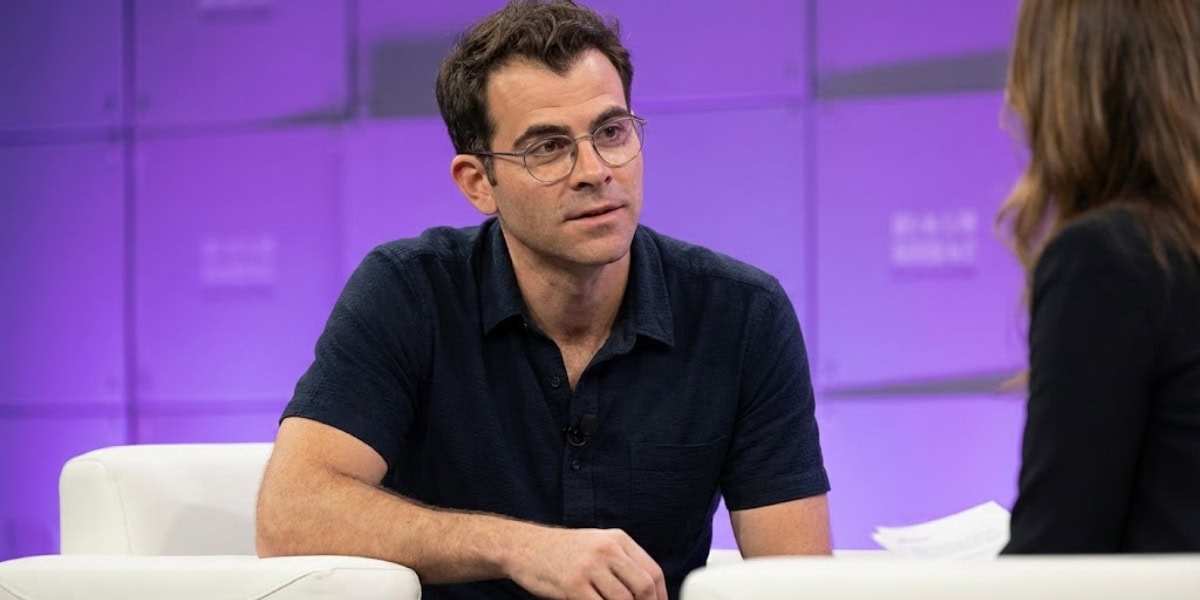
Regarding the direction of Instagram’s product roadmap, platform CEO Adam Mosseri said improvements in AI image generation and AI video tools are accelerating, and synthetic content will soon become commonplace across feeds, Stories, and Reels.
“Social media platforms will be under increasing pressure to identify AI-generated content and label it as such. All major platforms will do a good job of identifying AI content, but as AI gets better at mimicking reality, , over time, that ability will only get worse. There are already a growing number of people who, like me, believe that it is more practical to fingerprint real media than fake ones. Camera manufacturers could cryptographically sign images at the time they are taken, creating a chain of custody,” Mosseri said.
In a rather lengthy Threads post, Mosseri said Instagram is already seeing early growth in AI-assisted content creation, with creators using artificial intelligence for image generation, video editing, background replacement, animation, and visual effects. He said the platform expects this trend to intensify as AI tools mature and become more tightly integrated into consumer apps.
Instagram confirmed that AI-generated content will be clearly labeled under Meta’s extensive synthetic media transparency policy. Posts that are entirely generated or significantly modified using AI tools will display visible indicators, especially when realism can mislead viewers or mimic real people. The company also invested in an AI detection system designed to identify synthetic images and AI videos even when labels have been removed.
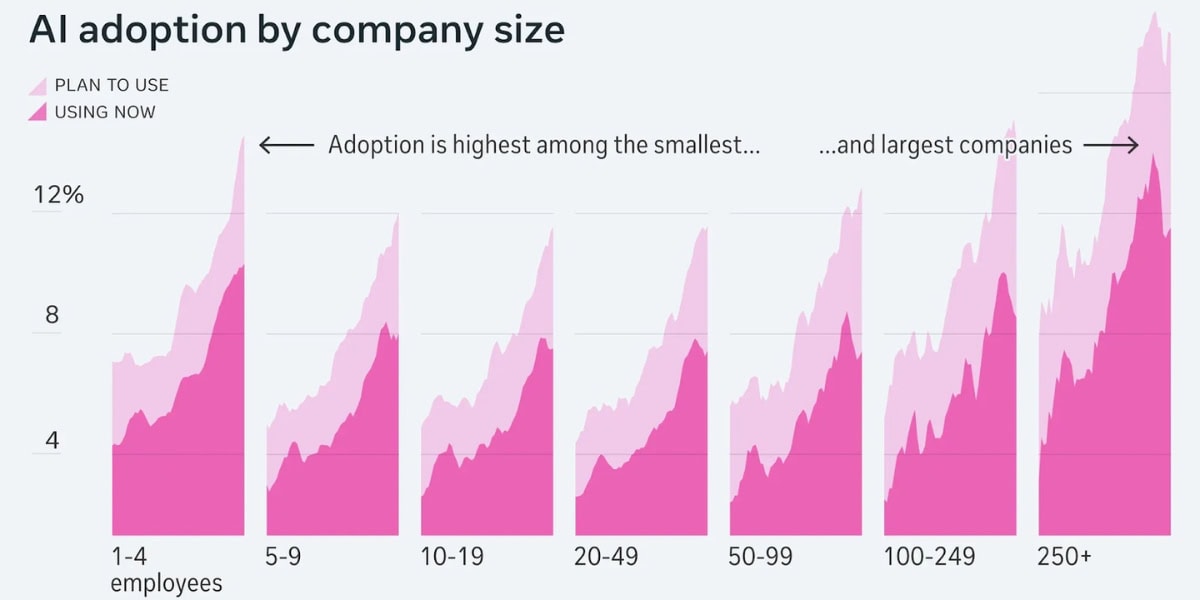
This shift reflects Meta’s broader push for generative AI across social media platforms. Over the past year, Meta has introduced an AI image generator, text-to-image conversion tools, automatic captions, and experimental AI video features that allow creators to generate scenes and animations using simple prompts. These tools are positioned as creative assistants, not replacements for human creators.
Mosseri acknowledged that the rise of AI-generated images and AI videos is creating new challenges for moderation. As AI visuals become more realistic, it becomes harder to distinguish between real and synthetic media. He said Instagram is expanding its moderation infrastructure to handle AI content at scale and focusing on transparency, detection, and enforcement against abuse.
Instagram’s chief believes that complaints about Instagram come from an outdated perspective on what the platform actually is. He argues that the days of “sophisticated” square images are over. In his view, camera companies are “betting on the wrong aesthetic” by trying to make everyone look like the professional photographers of the past. Instead, he suggests creators should embrace more “raw” and “unflattering” images to demonstrate their authenticity and differentiate them from AI-generated content. With AI content taking over Instagram, it’s important for creators to focus on images and videos that show intentional imperfections.
Mosseri emphasized that the platform’s priority is to maintain user trust as AI content grows. While artificial intelligence opens up creative possibilities, Instagram aims to give users a clear understanding of what they’re looking at and how it was made. The company expects AI-assisted content to become a normal part of the Instagram experience, rather than something new.

