



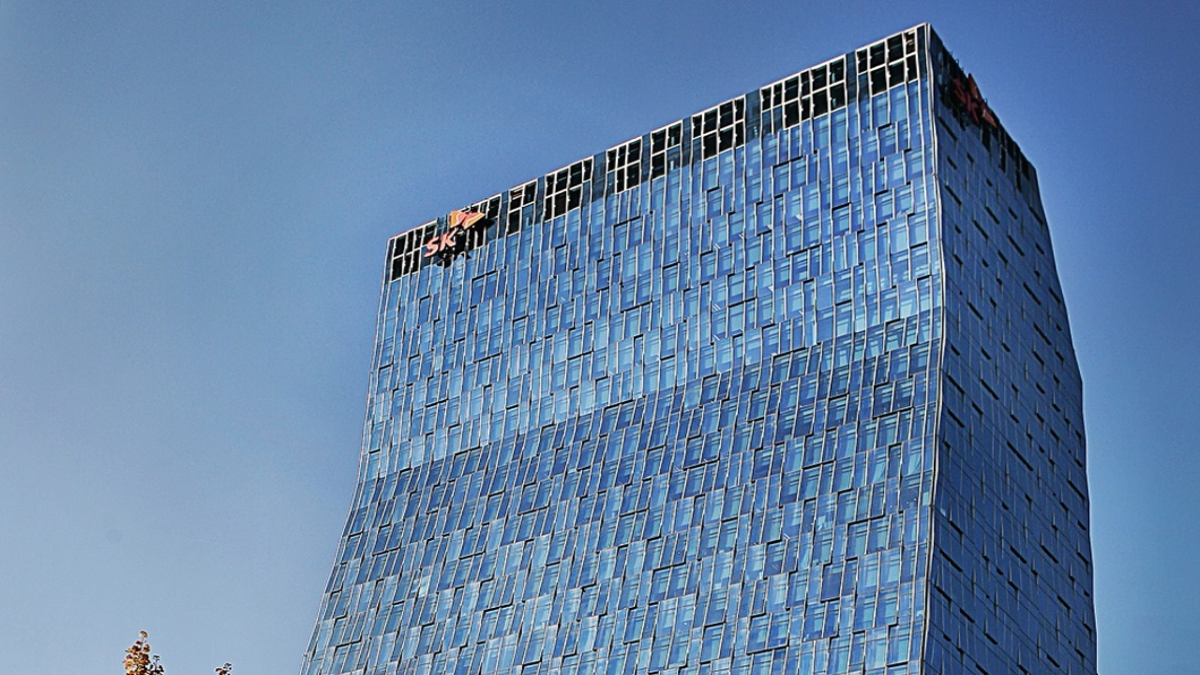
SK Telecom reported consolidated sales for fiscal year 2025 to be 17,099.2 billion won, a decrease of 4.7% from the previous year.
In summary, here’s what you need to know:
Cybersecurity Impact – The breach affected nearly the entire SK Telecom subscriber base, causing loss of subscribers, reduced revenue, and significant profit reductions, along with remediation and rebuilding costs.
Rebuilding trust – Management pointed to its accountability and commitment program, including customer relief measures and cancellation fee waivers, as part of its efforts to stabilize the MNO business and restore long-term competitiveness.
AI Infrastructure to Boost Profitability – SK Telecom is focusing on AI data center growth, Seoul expansion plans, and widespread use of AI across marketing and network operations to restore revenue momentum.
SK Telecom’s 2025 was defined by the aftermath of a major cybersecurity attack that compromised sensitive SIM-related data of approximately 26.9 million to 27 million customers, representing SK Telecom’s entire subscriber base at the time. As a result, the South Korean government was fined $97 million, and third quarter operating profit reportedly fell by 90%. This effect remained until the end of the year. Consolidated sales amounted to 17,099.2 billion won, a decrease of 4.7% from the previous year in FY2025.
In an investor conference call, SK Telecom Chief Financial Officer Jong-seok Park mentioned the loss of subscribers following the attack, as well as the sale of a subsidiary and the implementation of the Accountability and Commitment Program, a post-breach initiative that includes customer relief benefits and cancellation fee waivers.
Park saw 2025 as both a reset and a point of reflection for the company. “The cybersecurity incident and subsequent developments have prompted a period of careful reflection and made us realize that understanding and innovating for customer value, which is the essence of our business, is a prerequisite for a sustainable future.”
Operating profit and net profit were also affected by this incident, with the former decreasing 41.1% year-on-year to 1,073.2 billion won, and the latter decreasing 73% year-on-year, mainly due to penalty payments.
“The financial impact of the cybersecurity incident continued into the fourth quarter, and we incurred significant costs in the process of restructuring our business portfolio,” Park said, adding that as a result, SK Telecom decided not to pay a quarterly dividend for the fourth quarter.
Return to profitability with AI
With its core mobile business under pressure, SK Telecom is increasing its reliance on AI infrastructure as its next growth driver. Park said the company remains focused on establishing a solid foundation for its AI business. He pointed out that the revenue of the AI data center business is on a double-digit growth trend, citing the increased utilization rates of Gasan Data Center and Yangju Data Center and the acquisition of Pangyo Data Center. “This year, we aim to proactively explore business expansion opportunities and accelerate growth by expanding our business scale by adding data centers in the Seoul metropolitan area,” he continued.
The company also aims to improve the efficiency and productivity of its AI agent business and B2B AI business to produce “meaningful results,” strengthen its MNO business “in all business areas” with a focus on customer value, and “restore profitability by generating results in its AI business through AI data centers.”
Park added that the company plans to incorporate AI into its core communications business, saying, “We will leverage AI across our communications business, including marketing and networks, to increase productivity and improve profitability.”

